Get Residential Lawn Aeration
Residential lawn aeration services involve local contractors creating small holes in your yard to improve soil health, reduce compaction, and promote healthier grass growth.
Proper lawn aeration can play a significant role in maintaining a healthy, lush yard. For property owners in the area, understanding the benefits of aeration-such as improved soil health, better water absorption, and enhanced root growth-can be an important part of planning ongoing lawn care projects. Exploring options among local contractors allows homeowners to compare approaches and find the right services to support their yard’s specific needs.
If considering lawn aeration, it’s helpful to review the range of services offered by trusted local service providers. Connecting with experienced professionals can ensure the work is tailored to your property’s unique conditions, helping to promote a vibrant, resilient lawn. Keep reading to discover how local contractors can assist with your lawn aeration goals and support your overall landscape maintenance plans.
- Residential Lawn Aeration - Homeowners may need this service to improve soil health and promote healthier grass growth.
- Lawn Aeration for Compact Soil - Property owners with compacted soil may seek aeration to enhance water and nutrient absorption.
- Seasonal Lawn Care - During peak growing seasons, residents might require aeration to maintain a lush, vibrant yard.
- Overused or Thatch-Heavy Lawns - Those with thick thatch buildup may benefit from aeration to reduce thatch and improve turf quality.
- Preparation for Seeding or Fertilizing - Individuals planning to overseed or fertilize can use aeration to ensure better seed and nutrient penetration.
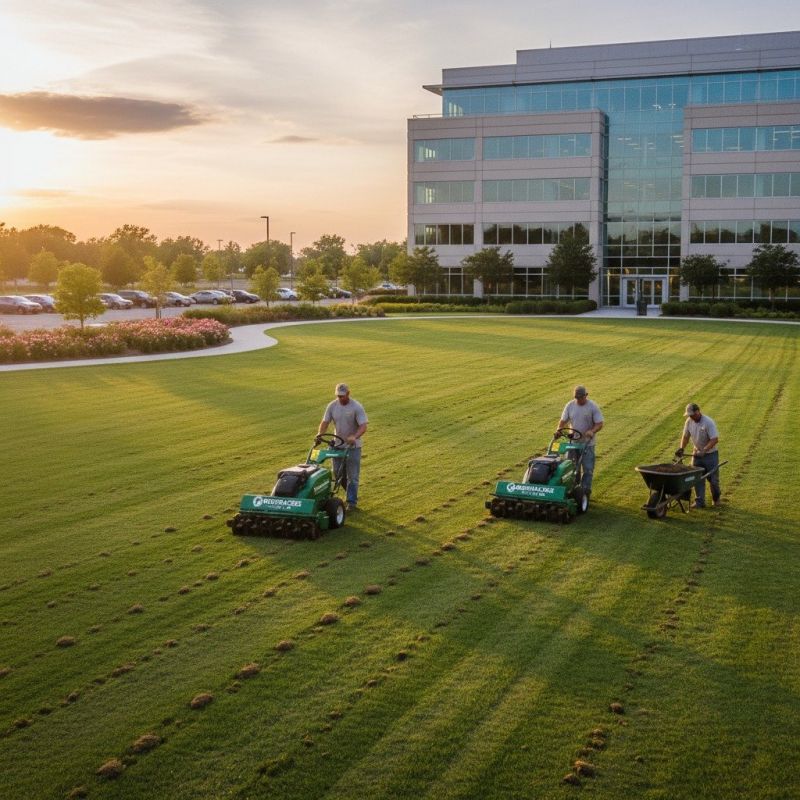
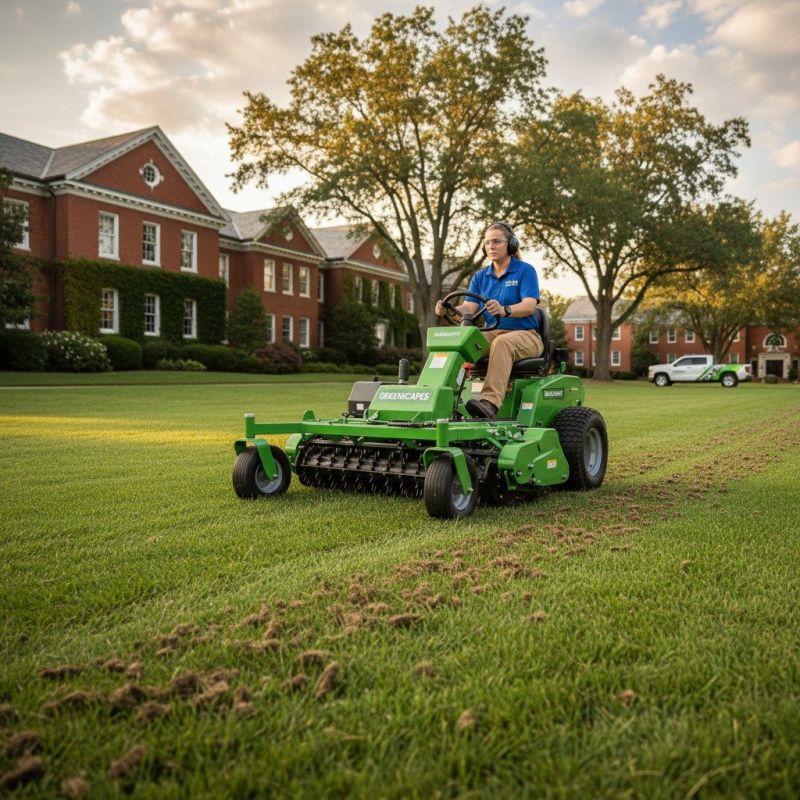
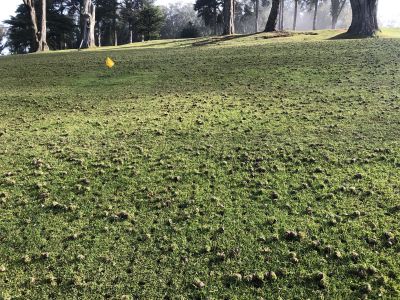
Residential lawn aeration services involve creating small holes in the soil to improve the overall health of a yard. This process typically uses specialized equipment to remove small plugs of soil, allowing air, water, and nutrients to penetrate deeper into the ground. Aeration helps break up soil compaction, which can build up over time due to foot traffic, heavy equipment, or natural settling. By improving soil structure, aeration promotes stronger root growth and a more vibrant, lush lawn.
One of the primary problems that lawn aeration addresses is poor drainage and water runoff. When soil becomes compacted, water has difficulty soaking into the ground, leading to pooling and uneven watering. This can cause patches of the lawn to become thin, brown, or patchy. Aeration alleviates these issues by creating pathways for water to reach the roots more effectively. It also helps reduce thatch buildup-a layer of dead grass and roots-that can suffocate grass and hinder healthy growth.
Lawn aeration services are commonly used on residential properties that have high foot traffic, such as homes with children or pets, or properties with heavily used lawns. They are also beneficial for lawns that show signs of stress, such as thinning grass, areas that stay muddy after rain, or patches that refuse to fill in. Regular aeration can be especially helpful in clay-heavy soils, which tend to become compacted more quickly. Homeowners seeking to maintain a healthy, resilient lawn often turn to local contractors for professional aeration services.
Properties that typically benefit from lawn aeration include those with established lawns that have become dense or that struggle to recover from drought or heavy use. It is also useful for new lawns that need to develop strong root systems or for lawns that have been overseeded. By improving soil conditions, aeration supports healthier grass growth, making it a practical step for homeowners looking to enhance the appearance and durability of their lawns. Local service providers can assess lawn conditions and recommend the appropriate aeration approach to meet specific needs.
The overview below groups typical Residential Lawn Aeration projects into broad ranges so you can see how smaller, mid-sized, and larger jobs often compare in your area.
In many markets, a large share of routine jobs stays in the lower and middle ranges, while only a smaller percentage of projects moves into the highest bands when the work is more complex or site conditions are harder than average.
Basic Lawn Aeration - typical costs for standard residential aeration services range from $250 to $600 for many smaller or routine jobs. Many projects fall within this middle range, covering standard yard sizes and simple soil conditions.
Large or Complex Properties - larger, more complex projects such as extensive lawns or properties with challenging soil types can cost between $600 and $1,200. These jobs often require more time and specialized equipment, pushing costs into higher tiers.
Commercial or Multiple-Visit Jobs - for larger commercial properties or projects needing multiple visits, costs can range from $1,200 to $5,000 or more. Such projects are less common and typically involve extensive preparation or additional services.
Full Lawn Renovation or Replacement - in cases where aeration is part of a complete lawn overhaul, costs can exceed $5,000. These larger-scale projects are less typical and often include multiple lawn care services beyond aeration.
Actual totals will depend on details like access to the work area, the scope of the project, and the materials selected, so use these as general starting points rather than exact figures.
Soil Cultivation and Preparation - Professionals perform soil aeration as part of broader lawn cultivation projects to improve soil health and promote healthy grass growth.
Drainage Improvement Services - Contractors who enhance yard drainage often use aeration techniques to reduce soil compaction and prevent water pooling.
Garden and Landscape Grading - Grading projects require planning and soil manipulation skills similar to those used in lawn aeration to ensure proper land drainage and leveling.
Lawn Renovation and Overseeding - These services often incorporate aeration to create optimal conditions for grass seed germination and turf revitalization.
Soil Testing and Fertilization - Soil analysis and nutrient application planning are closely related to aeration, as both aim to improve soil conditions for healthy lawns.
Tree and Shrub Planting - Preparing planting sites involves soil assessment and modification, requiring skills comparable to those used in aerating lawns for better root growth.
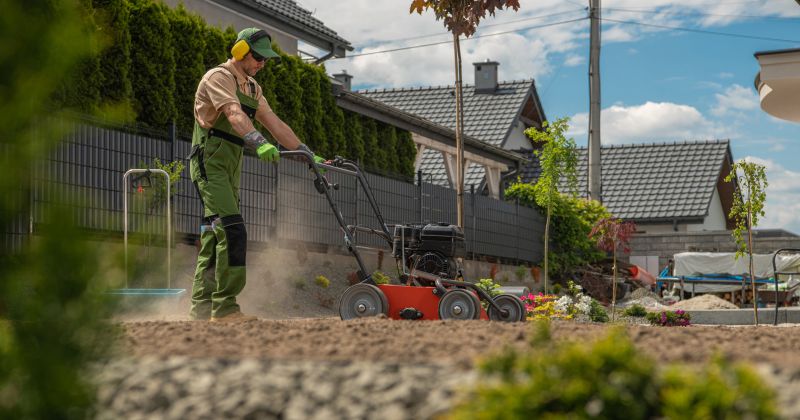
When evaluating local contractors for residential lawn aeration, it’s important to consider their experience with similar projects. Homeowners should look for providers who have a proven track record of successfully handling lawn aeration for properties comparable in size and grass type. Asking about the number of years they’ve been performing this service and whether they have worked in the local area can provide insight into their familiarity with regional soil conditions and lawn care needs. This background can help ensure the selected service provider understands the specific requirements of maintaining a healthy, vibrant lawn through aeration.
Clear, written expectations are essential when comparing local service providers. Homeowners should seek detailed descriptions of the aeration process, including what areas will be treated, the equipment used, and any preparatory or follow-up steps involved. Having this information in writing helps prevent misunderstandings and ensures that both parties agree on the scope of work before the project begins. It’s also helpful to inquire about any warranties or guarantees related to the service, which can provide additional confidence in the provider’s professionalism and attention to quality.
Reputable references and good communication are key factors in choosing a reliable local contractor. Homeowners can ask for references from previous clients who had similar lawn aeration services, providing an opportunity to learn about their experiences and satisfaction levels. Additionally, effective communication-such as prompt responses to inquiries and clarity in explanations-can indicate a professional approach and a commitment to customer service. Since the site introduces homeowners to local options rather than performing the work itself, taking these steps can help ensure that the chosen service provider is well-qualified and easy to work with for the lawn aeration project.
Property owners use Residential Lawn Aeration services for practical projects around their homes and businesses. This guide focuses on everyday jobs and straightforward project options.
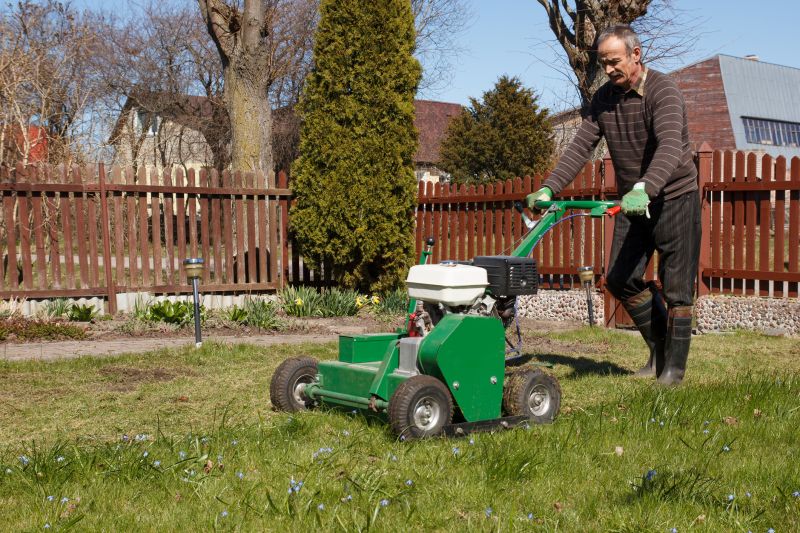
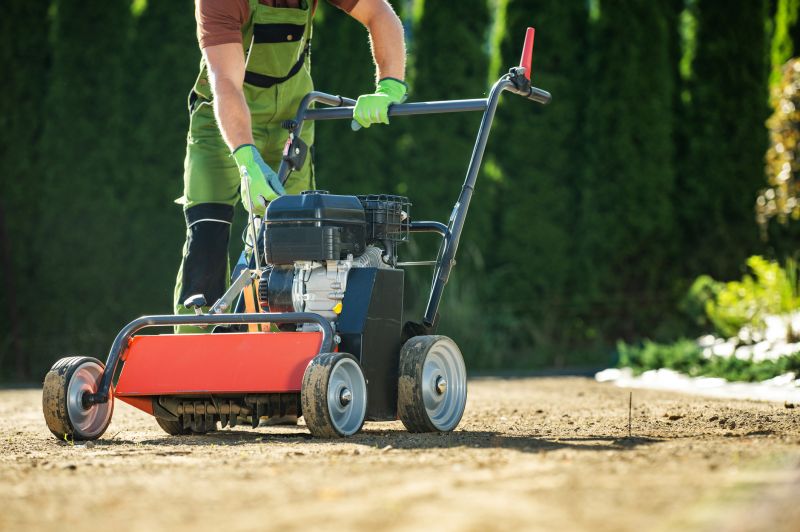
Residential lawn aeration services are often sought after by property owners who notice their grass becoming thin, patchy, or uneven. Over time, soil can become compacted, making it difficult for water, air, and nutrients to reach the roots effectively. Local contractors who specialize in lawn care can help improve soil health and promote a lush, healthy yard by removing these compacted layers through aeration.
Homeowners may also look for aeration services when preparing their lawns for seasonal changes or major landscaping projects. Regular aeration can help maintain a resilient and vibrant lawn, especially in areas with high foot traffic or heavy clay soils. Local service providers are equipped to handle these projects, ensuring the yard remains vibrant and well-maintained throughout the year.
What is lawn aeration? Lawn aeration involves creating small holes in the soil to improve air, water, and nutrient penetration, promoting healthier grass growth.
Why should I consider lawn aeration? Aeration can help reduce soil compaction, improve drainage, and enhance the overall health and appearance of a lawn.
How do local service providers perform lawn aeration? Local contractors typically use specialized equipment to perforate the soil, ensuring minimal disruption while maximizing benefits for your lawn.
Is lawn aeration suitable for all types of lawns? Most lawns can benefit from aeration, especially those with heavy foot traffic, clay soils, or signs of compaction and poor drainage.
How can I find local pros for lawn aeration services? This website helps connect homeowners with experienced local contractors who specialize in lawn aeration and related services.
Improve Lawn Health - Regular aeration helps reduce soil compaction, promoting better nutrient absorption and healthier grass growth.
Prepare for Seeding or Overseeding - Aerating the lawn creates a better environment for new grass seed to take root and grow evenly.
Enhance Water Penetration - This service allows water to reach deeper into the soil, reducing runoff and helping the lawn stay hydrated.
Reduce Thatch Buildup - Aeration breaks up thatch layers, preventing issues like moss growth and improving overall lawn appearance.
If you are thinking about Residential Lawn Aeration for a property, this guide is meant to help you understand the work, the typical project types, and how different options might fit your plans.
When you are ready, you can use the quote form on this page to share a few details about your project. From there, local pros can review the basics and respond with options that match what you have in mind.