Poison Ivy Removal in Lancaster County, PA
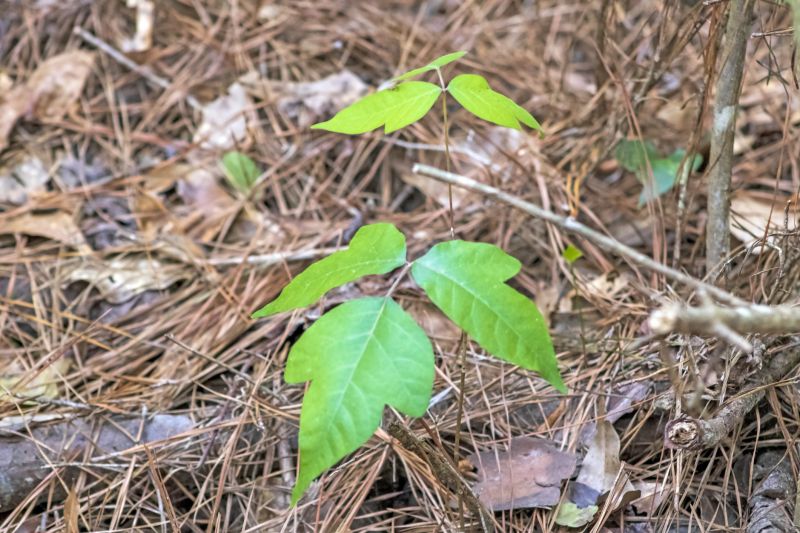
Poison ivy removal services focus on safely eliminating this common plant that can pose health risks to homeowners and visitors. These services typically cover residential properties, including yards, gardens, fences, and wooded areas, where poison ivy may grow among other vegetation. Property owners often seek removal to prevent skin irritation, allergic reactions, or accidental contact, especially in areas where children or pets play. Understanding the extent of the infestation, the location of the plants, and any surrounding landscaping can help determine the best approach for effective removal.
Before requesting poison ivy removal, property owners should consider the size and accessibility of the affected areas, as well as any nearby plants or structures that could be impacted. It’s important to identify all poison ivy growth to ensure complete removal and reduce the risk of regrowth. Clarifying whether the service includes disposal or treatment of the plants can also help in planning the project. Proper removal not only improves safety but also helps maintain the health and appearance of the landscape.
Many property owners in Lancaster County, PA look into Poison Ivy Removal for repairs, replacements, upgrades, and appearance-related improvements.
Understanding Poison Ivy Risks
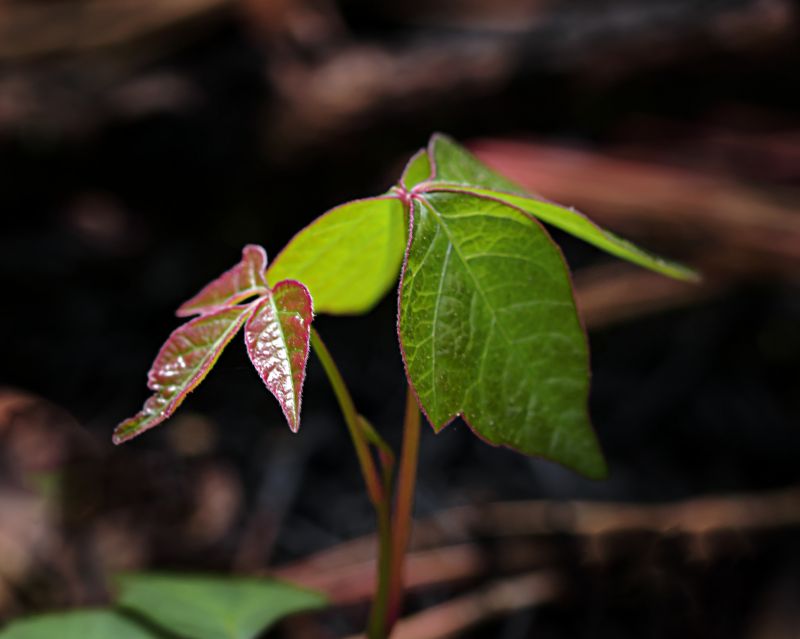
Poison ivy can cause skin irritation and allergic reactions if touched.
Signs Of Poison Ivy Infestation
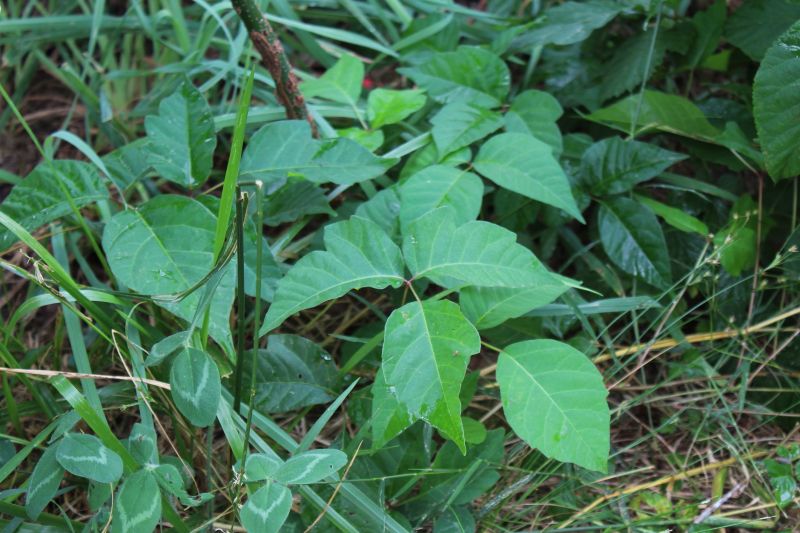
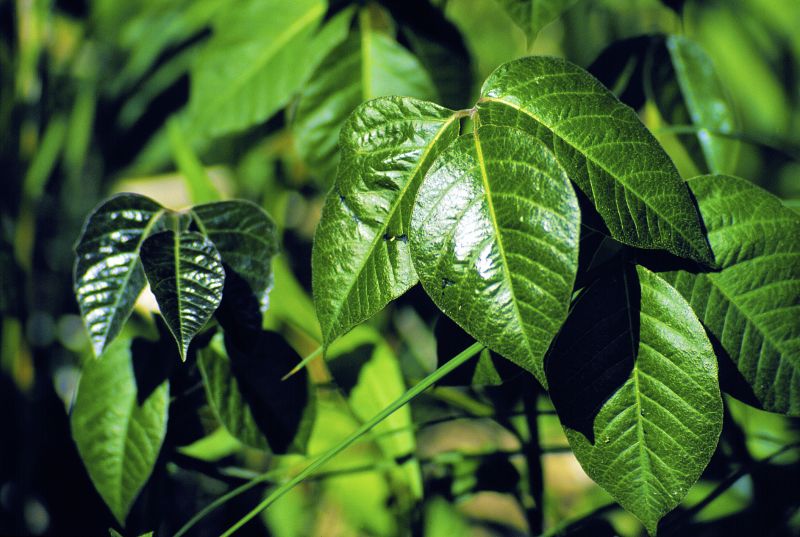
Identifying the characteristic three-leaf clusters helps detect poison ivy growth on your property.
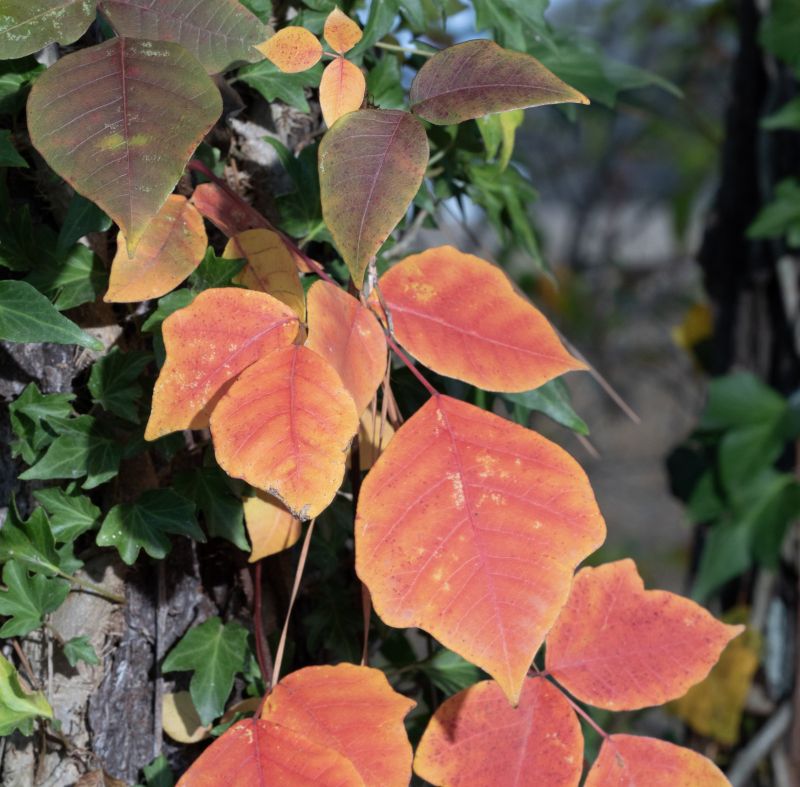
Safe Removal Techniques
Proper removal prevents regrowth and minimizes exposure for homeowners and landscapers in lancaster county, pa.
Poison Ivy Removal in Lancaster County, PA
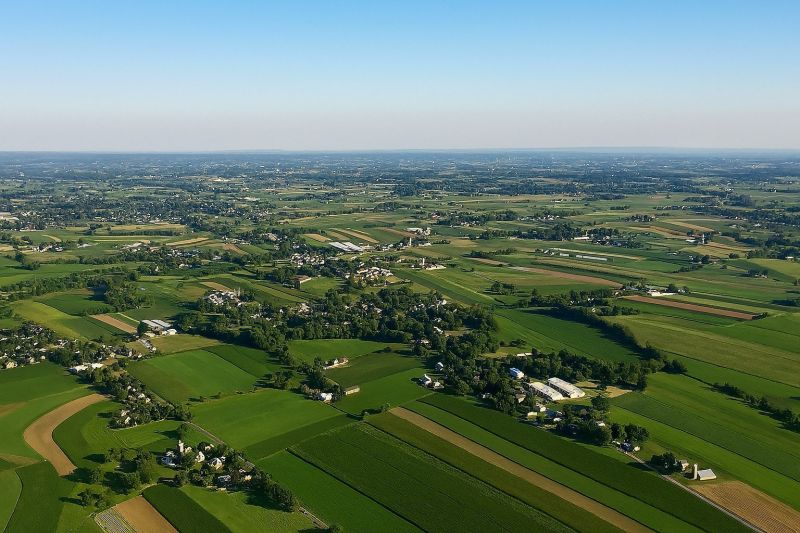
Poison ivy removal services focus on safely eliminating this common plant that can pose health risks to homeowners and visitors. These services typically cover residential properties, including yards, gardens, fences, and wooded areas, where poison ivy may grow among other vegetation. Property owners often seek removal to prevent skin irritation, allergic reactions, or accidental contact, especially in areas where children or pets play. Understanding the extent of the infestation, the location of the plants, and any surrounding landscaping can help determine the best approach for effective removal.
Before requesting poison ivy removal, property owners should consider the size and accessibility of the affected areas, as well as any nearby plants or structures that could be impacted. It’s important to identify all poison ivy growth to ensure complete removal and reduce the risk of regrowth. Clarifying whether the service includes disposal or treatment of the plants can also help in planning the project. Proper removal not only improves safety but also helps maintain the health and appearance of the landscape.
Many property owners in Lancaster County, PA look into Poison Ivy Removal for repairs, replacements, upgrades, and appearance-related improvements.
Common Poison Ivy Removal Jobs
Poison Ivy Removal - safe elimination of poison ivy from yards and landscapes.
Property Clearing - removal of poison ivy along fences, driveways, and garden beds.
Vegetation Management - targeted removal to prevent regrowth in problem areas.
Landscaping Services - integrated approaches to control and prevent poison ivy spread.
Yard Maintenance - ongoing removal to keep outdoor spaces safe and weed-free.
Hazard Prevention - reducing exposure risks for family members and pets.
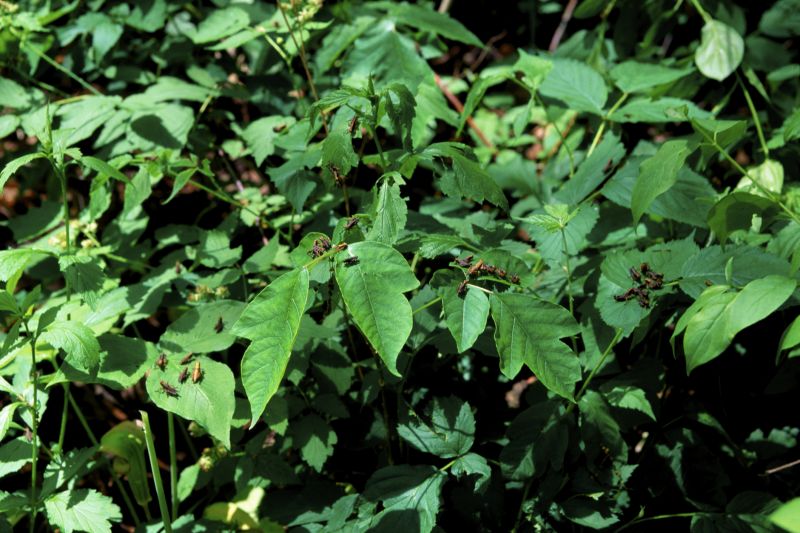
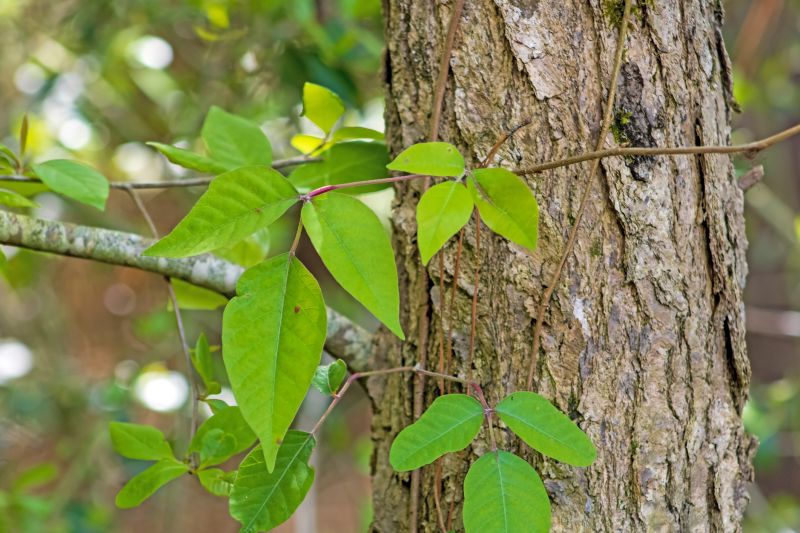
Poison Ivy Removal Questions
What is poison ivy removal? Poison ivy removal involves eliminating the plant from a property to prevent skin irritation and environmental spread.
When should poison ivy be removed? Removal is recommended when poison ivy is found in areas accessible to people or pets, especially near lawns, walkways, or recreational spaces.
How is poison ivy removed safely? Safe removal typically involves wearing protective gear and carefully removing the plants to avoid skin contact and spread.
Can poison ivy grow back after removal? Yes, poison ivy can regrow from roots or remaining plant fragments if not properly removed or treated.
Request Poison Ivy Removal in Lancaster County, PA
Use the quote form on this page to share the basics of your project and request more information for the type of work you need.