Poison Ivy Removal in Newark, DE
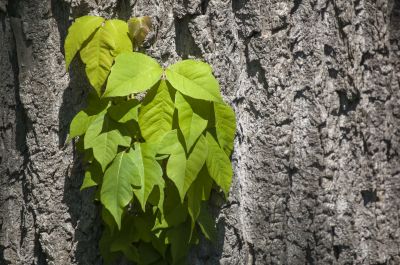
Poison ivy removal services focus on safely eliminating this common and potentially harmful plant from residential properties. These services are suitable for a variety of projects, including clearing overgrown areas, maintaining lawns and gardens, and ensuring pathways or recreational spaces are free from poison ivy. Property owners often seek these services to prevent skin irritation, allergic reactions, or other health issues caused by contact with the plant, especially in outdoor spaces used frequently by families and pets.
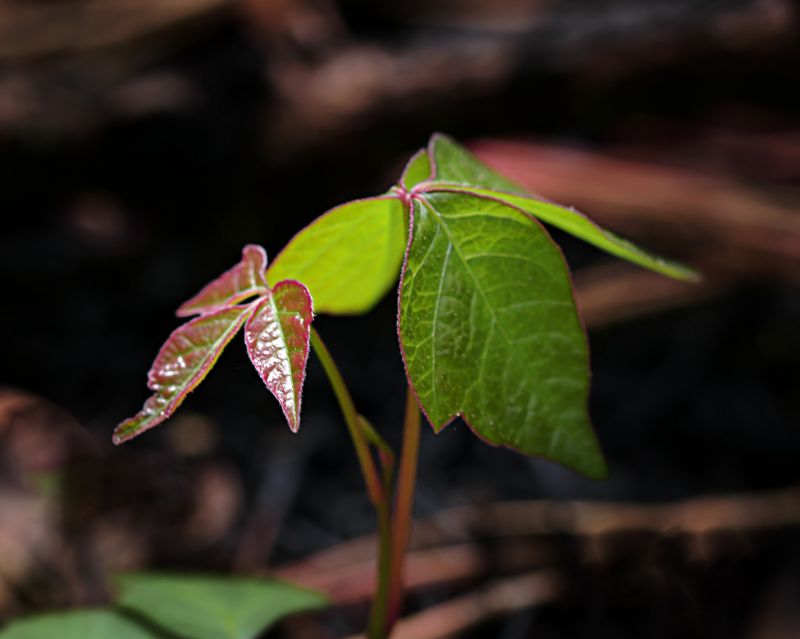
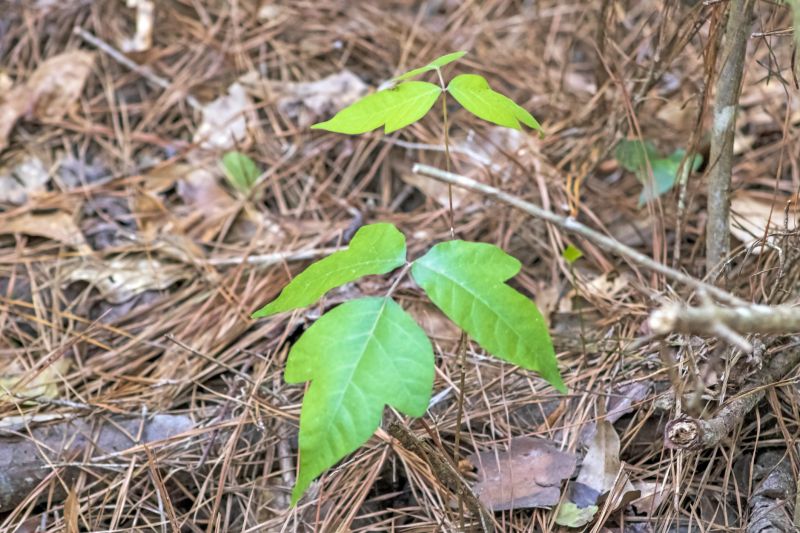
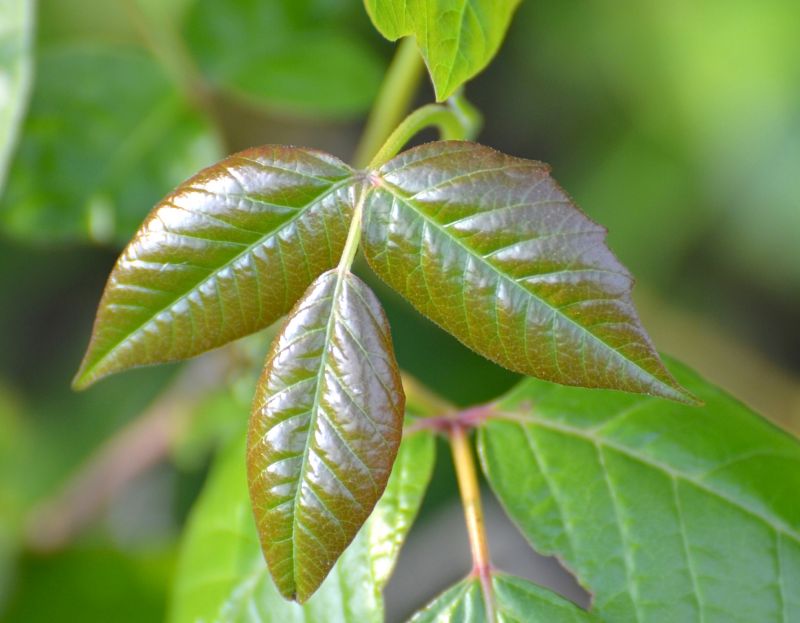
Before requesting poison ivy removal, property owners should consider the extent of the infestation, the location of the plants, and any nearby vegetation that may be affected by removal efforts. It's important to understand that poison ivy can be difficult to identify, especially in early growth stages, and that proper removal techniques are essential to prevent regrowth and spread. Clarifying these details can help determine the most effective approach to safely and thoroughly remove poison ivy from the property.
Many property owners in Newark, DE look into Poison Ivy Removal for repairs, replacements, upgrades, and appearance-related improvements.
Identifying Poison Ivy
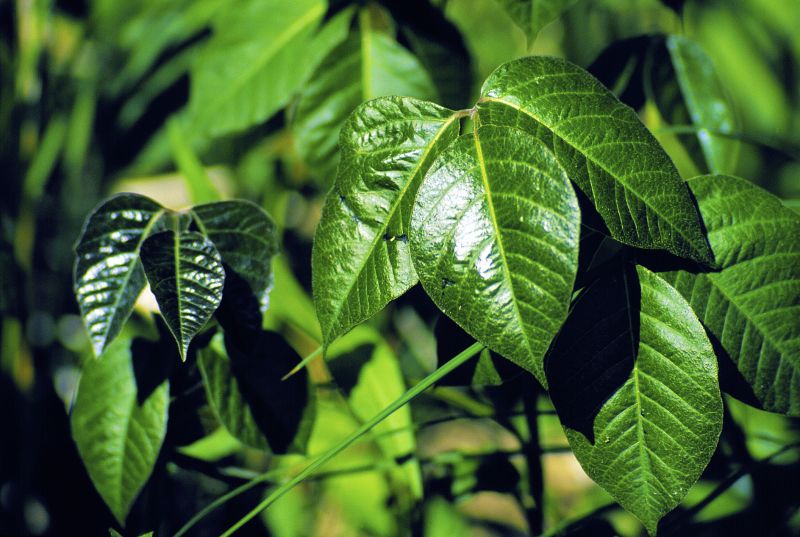
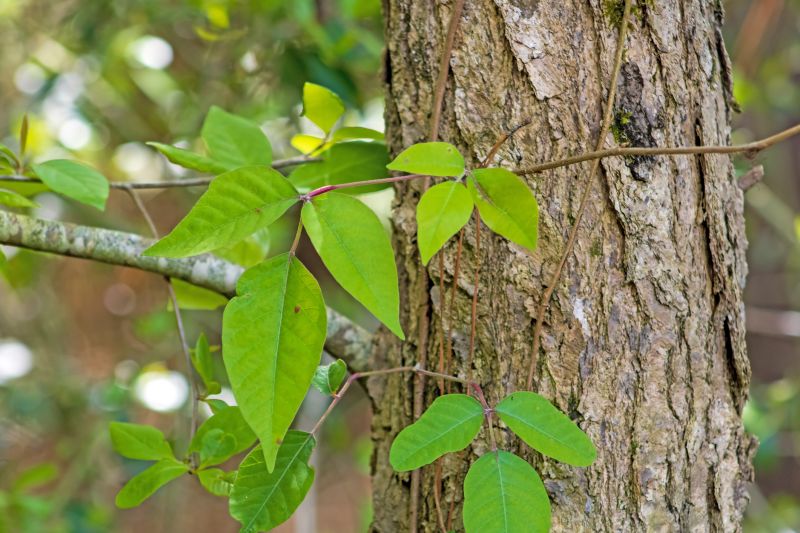
Understanding how to recognize poison ivy helps prevent skin irritation and spreads.
Safe Removal Techniques
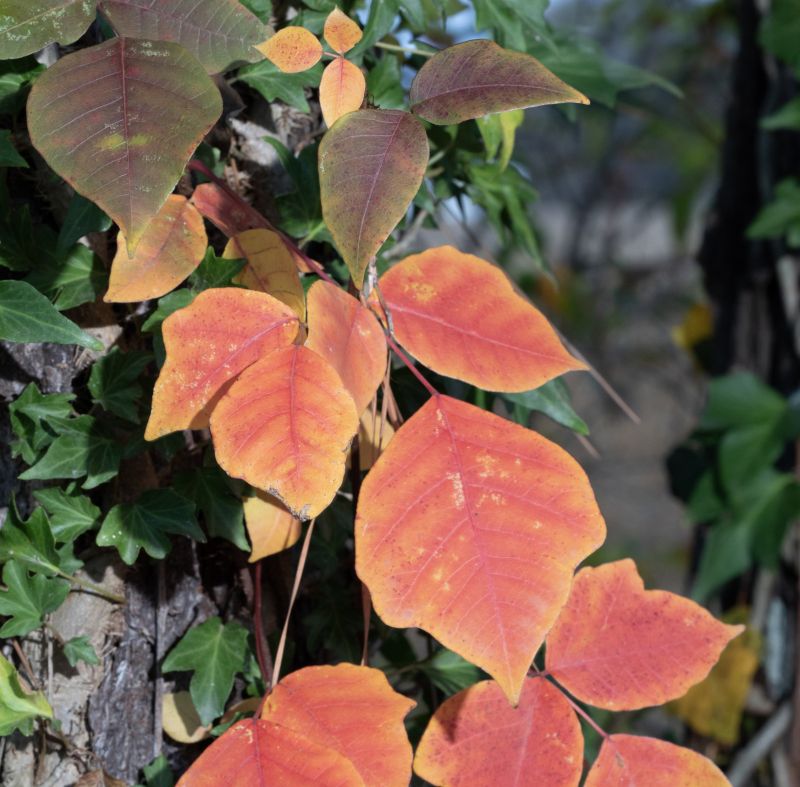
Proper removal methods ensure the plant is eliminated without damaging surrounding landscaping.
Property Maintenance Tips
Regular inspections and upkeep can keep poison ivy from regrowing on residential and commercial properties in newark, de.
Poison Ivy Removal in Newark, DE

Poison ivy removal services focus on safely eliminating this common and potentially harmful plant from residential properties. These services are suitable for a variety of projects, including clearing overgrown areas, maintaining lawns and gardens, and ensuring pathways or recreational spaces are free from poison ivy. Property owners often seek these services to prevent skin irritation, allergic reactions, or other health issues caused by contact with the plant, especially in outdoor spaces used frequently by families and pets.
Before requesting poison ivy removal, property owners should consider the extent of the infestation, the location of the plants, and any nearby vegetation that may be affected by removal efforts. It's important to understand that poison ivy can be difficult to identify, especially in early growth stages, and that proper removal techniques are essential to prevent regrowth and spread. Clarifying these details can help determine the most effective approach to safely and thoroughly remove poison ivy from the property.
Many property owners in Newark, DE look into Poison Ivy Removal for repairs, replacements, upgrades, and appearance-related improvements.
Common Poison Ivy Removal Jobs
Poison Ivy Removal - Safe elimination of invasive poison ivy from yards and landscaping.
Yard Clearing - Removal of poison ivy from overgrown areas to improve safety and appearance.
Property Maintenance - Regular inspections to identify and address poison ivy growth early.
Fence Line Clearing - Clearing poison ivy along fences and property boundaries for safety.
Landscape Restoration - Replanting and restoring areas affected by poison ivy removal.
Hazard Prevention - Reducing the risk of skin irritation and allergic reactions on the property.
Poison Ivy Removal Questions
What is poison ivy removal? Poison ivy removal involves safely eliminating the plant to prevent skin irritation and property damage.
When should poison ivy be removed? Removal is recommended when the plant poses a risk to people, pets, or landscaping, especially during active growth seasons.
How is poison ivy removed? The process typically includes careful cutting, herbicide application, and disposal to ensure complete eradication.
Is professional removal necessary? Professional removal ensures safe and effective elimination, reducing the risk of spreading or exposure.
Request Poison Ivy Removal in Newark, DE
Use the quote form on this page to share the basics of your project and request more information for the type of work you need.